

Highlights do World Congress of Trichoscopy: Cancún 2024
Rodrigo Pirmez
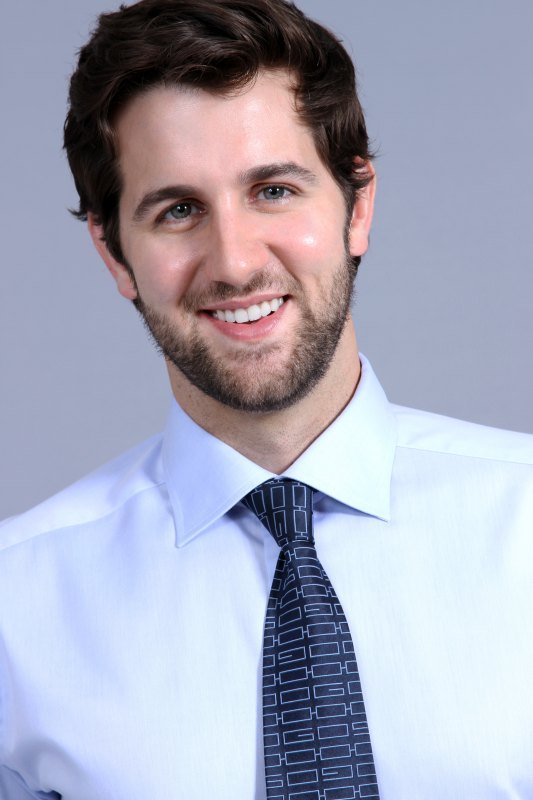
Chefe do Centro de Estudos do Cabelo da Santa Casa de Misericórdia – RJ
Membro Efetivo da Sociedade Brasileira de Dermatologia
Diretor e membro fundador da International Trichoscopy Society
Presidente do World Congress of Trichoscopy – Rio de Janeiro 2026
Nos dias 13 a 16 de junho deste ano aconteceu o World Congress of Trichoscopy (WCT). Organizado pela International Trichoscopy Society (ITS), o evento se consolidou não apenas como a principal referência para a difusão do conhecimento em tricoscopia, mas também para atualizações em todos os tópicos em doenças dos cabelos: desde patogênese até tratamento. O primeiro congresso da ITS ocorreu em 2018, na cidade Varsóvia – Polônia, e o segundo na cidade de Sorrento – Itália, em 2021. O local escolhido para a terceira edição foi a paradisíaca Cancún. O WCT deste ano contou com 850 inscritos e quase 100 palestrantes, sendo metade do país organizador (México) e metade de palestrantes internacionais. Listo aqui alguns dos hot topics discutidos durante o evento.
No tratamento da alopecia androgenética (AGA) feminina foi discutido o uso da bicalutamida como medicação antiandrogênica. As evidências ainda são limitadas, mas a droga parece ser especialmente benéfica em pacientes pré-menopausadas com AGA e seborreia associada. Outro benefício citado seria possível redução da hipertricose (efeito adverso comum do minoxidil oral). As doses publicadas variam entre 10-50 mg/dia. O follow-up laboratorial recomendado consiste em monitorar enzimas hepáticas no primeiro mês e depois a cada 3-6 meses. Pacientes devem interromper o uso 2 meses antes de tentar engravidar.
O uso da bicalutamida 0,5% em mesoterapia também foi citado como terapêutica promissora. A observação se baseia em uma série de casos em que mulheres foram tratadas com aplicações trimestrais apresentando melhora discreta da alopecia, mas também da seborreia.
Um tema interessante foi o uso de medicamentos durante a lactância. Recomenda-se que nos primeiros 7 dias pós-parto qualquer medicação oral para AGA seja evitada, pois há maior risco de excreção pelo leite materno. No entanto, o palestrante discorreu sobre a segurança e a possibilidade do uso do Minoxidil oral e da espironolactona por mulheres lactantes após esse período. Uma orientação adicional para reduzir a quantidade das medicações no leite seria de tomá-las logo após a mamada.
Em minha aula de reposição hormonal, discuti o amplo uso da testosterona e seu impacto negativo sobre a AGA ressaltando que a única indicação baseada em evidência do uso da testosterona em mulheres seria o transtorno do desejo sexual hipoativo e apenas em pacientes após a menopausa. Além disso, trouxe a recomendação do consenso global e o posicionamento do colégio americano de ginecologistas e obstetras que não recomendam o uso de implantes hormonais (o conhecido CHIP da beleza) como via para reposição hormonal, considerando o risco de doses suprafisiológicas e a maior incidência de efeitos adversos.
No campo das alopecias cicatriciais, a patogênese e tratamento da alopecia fibrosante frontal (AFF) também foi tema de interesse. Estudos genéticos em pacientes com AFF evidenciam alterações no gene CYP1B1, responsável pelo metabolismo de estrógenos xenobióticos. Esse achado vem ao encontro de outro importante estudo que identificou níveis aumentados dos receptores de hidracarboneto arílicos (AHR) em biópsias de couro cabeludo de pacientes com AFF. O CYP1B1 é regulado por vários fatores de transcrição, sendo um deles justamente o AHR. Em relação à terapêutica, é marcante a ausência de ensaios clínicos em AFF. Trabalhos do grupo espanhol ressaltam a eficácia da dutasterida para no tratamento da condição. Em uma série de casos publicada pelos autores, a dutasterida oral foi a terapia mais eficaz e com uma resposta dose dependente no controle da AFF. O mecanismo exato da medicação na AFF permanece especulativo. No entanto, de maneira resumida, os autores mencionam possíveis ações antifibróticas, imunomodulatórias e no balanço hormonal para justificar os dados positivos observados.
Não posso deixar de mencionar o tema que agora é presença certa em qualquer congresso de cabelos: o uso dos inibidores da JAK para tratamento da alopecia areata. Em menos de 10 anos essa classe evoluiu de “promissora” para se tornar a única classe de medicamentos com aprovação em bula para o tratamento da alopecia areata grave. Iniciamos com o uso off-label sobretudo do tofacitinibe, um pan-inibidor das JAKs, e temos agora duas medicações com aprovação pela ANVISA: Ritlecitinibe (inibidor específico da JAK3 e família TEC) e Baricitinibe (inibidor das JAKs 1 e 2). A grande novidade no congresso foi o Deuruxolitinibe (também inibidor de JAK 1 e 2) e que foi aprovado recentemente pelo FDA, mas ainda não no Brasil. Em termos de eficácia, ainda não temos estudos head-to-head que nos tragam dados comparativos destas medicações.
Estamos vivendo em das épocas mais emocionantes para se estudar e tratar doenças dos cabelos e couro cabeludo. O entendimento da patogênese de doenças antigas e novas vem permitindo o desenvolvimento de novas terapêuticas. Com isso, a atualização constante, marca da medicina, se torna ainda mais premente. Termino essa coluna convidando a todos para o próximo World Congress of Trichoscopy, que ocorrerá no Rio de Janeiro em 2026 e do qual tenho a honra de ser o presidente.
English version
Highlights of the Congress of Trichoscopy: Cancun 2024
Highlights of the Congress of Trichoscopy: Cancun 2024
Rodrigo Pirmez
Head of the Hair Studies Center at Santa Casa de Misericórdia – RJ
Member of the Brazilian Society of Dermatology
Director and founding member of the International Trichoscopy Society
President of the World Congress of Trichoscopy – Rio de Janeiro 2026
The World Congress of Trichoscopy (WCT) was held this year from June 13-16.
The event was organized by the International Trichoscopy Society (ITS) and had established itself not only as the main reference for the dissemination of knowledge in trichoscopy, but also for updates on all topics in hair diseases: from pathogenesis to treatment. The first ITS congress took place in 2018, in the city of Warsaw – Poland, and the second in the city of Sorrento – Italy, in 2021. The location chosen for the third edition was the paradisiacal Cancún. This year's WCT had 850 registrants and almost 100 speakers, half from the organizing country (Mexico) and half from international speakers. Here I list some of the hot topics discussed during the event.
In the treatment of female androgenetic alopecia (AGA), the use of bicalutamide as an antiandrogenic medication has been discussed. Evidence is still limited, but the drug is especially beneficial in premenopausal patients with AGA and associated seborrhea. Another benefit mentioned would be the possible reduction of hypertrichosis (a common adverse effect of oral minoxidil). Published doses vary between 10-50 mg/day. The recommended laboratory follow-up consists of monitoring liver enzymes in the first month and then every 3-6 months. Patients must stop use two months before trying to get pregnant.
The use of 0.5% bicalutamide in mesotherapy was also mentioned as a promising therapy. The observation is based on a series of cases in which women were treated with quarterly applications showing slight improvement in alopecia, but also in seborrhea.
An interesting topic was the use of medications during breastfeeding. It is recommended that in the first seven days postpartum any oral medication for AGA be avoided, as there is a greater risk of excretion through breast milk. However, the speaker discussed the safety and possibility of using oral Minoxidil and spironolactone by lactating women after this period. An additional guideline to reduce the number of medications in the milk would be to take them immediately after breastfeeding.
In my hormone replacement class, I discussed the widespread use of testosterone and its negative impact on AGA, highlighting that the only evidence-based indication for the use of testosterone in women would be hypoactive sexual desire disorder and only in postmenopausal patients. Furthermore, it brought the global consensus recommendation and the position of the American college of gynecologists and obstetricians that do not recommend the use of hormonal implants (the well-known beauty CHIP) as a route to hormone replacement, considering the risk of supraphysiological doses and the higher incidence of adverse effects.
In the field of cicatricial alopecia, the pathogenesis and treatment of frontal fibrosing alopecia (FFA) was also a topic of interest. Genetic studies in patients with FFA show changes in the CYP1B1 gene, responsible for the metabolism of xenobiotic estrogens. This finding is in line with another important study that identified increased levels of aryl hydracarbon receptors (AHR) in scalp biopsies from patients with FFA. CYP1B1 is regulated by several transcription factors, one of which is AHR. Regarding therapy, the absence of clinical trials on FFA is notable. Work by the Spanish group highlights the effectiveness of dutasteride in treating the condition. In a case series published by the authors, oral dutasteride was the most effective therapy with a dose-dependent response in controlling FFA. The exact mechanism of medication in FFA remains speculative. However, in summary, the authors mention possible antifibrotic, immunomodulatory and hormonal balance actions to justify the positive data observed.
I cannot fail to mention the topic that is now a regular presence at any hair conference: the use of JAK inhibitors to treat alopecia areata. In less than 10 years, this class evolved from “promising” to become the only class of medications with label approval for the treatment of severe alopecia areata. We started with off-label use of tofacitinib, a JAKs pan-inhibitor, and we now have two medications approved by ANVISA: Ritlecitinib (specific inhibitor of JAK3 and TEC family) and Baricitinib (inhibitor of JAKs 1 and 2). The big news at the congress was Deuruxolitinib (also a JAK 1 and 2 inhibitor) which was recently approved by the FDA, but not yet in Brazil. In terms of effectiveness, we still do not have head-to-head studies that provide us with comparative data on these medications.
We are living in one of the most exciting times to study and treat hair and scalp diseases. Understanding the pathogenesis of old and new diseases has allowed the development of new therapies. As a result, constant updating, a hallmark of medicine, becomes even more pressing. I end this column by inviting everyone to the next World Congress of Trichoscopy, which will take place in Rio de Janeiro in 2026 and of which I have the honor of being the president.

