
Dra. Emilly Neves Souza
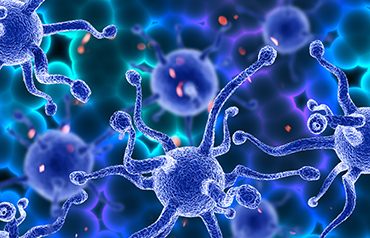
Os exossomos consistem em vesículas extracelulares, de diâmetro entre 30 – 120 nm.1 São formados por bicamada lipídica com marcadores de superfície específicos e participam da sinalização intercelular e expressão gênica.1,2 São liberados por uma variedade de células durante a atividade fisiológica do organismo, a fim de auxiliar na diferenciação e proliferação celular, resposta ao estresse, angiogênese e sinalização imunológica.3 O conteúdo dos exossomos é variado, podendo transferir DNA, RNA, lipídios, metabólitos, proteínas citosólicas e da superfície celular.3,4 Nos últimos anos, os exossomos têm sido alvo de diversos estudos a fim de explorar seu papel na medicina regenerativa.4-6 Apesar disso, seu mecanismo de ação ainda é pouco compreendido e merece ser investigado.
Acredita-se que os exossomos modulem a sinalização parácrina no folículo piloso, em que uma molécula é liberada e atinge as células-alvo por difusão5 - mediando, assim, a comunicação entre as células epiteliais e mesenquimais foliculares. Na restauração capilar, o uso dos exossomos tem sido estudado, majoritariamente em estudos pré-clínicos, com objetivo de realizar drug delivery direcionado para potencializar o tratamento das alopecias.7-23 As fontes de exossomos são variadas: exossomos derivados das células da papila dérmica (DPC-exos),7,11-13,19 células tronco derivadas do tecido adiposo (ADSC-exos),8-11,22 células-tronco mesenquimais (MSC-exos)21 e células supressoras derivadas da linhagem mieloide (MDSC-exos).20 Além disso, fontes animais e vegetais também têm sido estudadas.16,24,25
As células da papila dérmica (CPDs) são originadas da maturação de fibroblastos durante o desenvolvimento embriogênico e interagem com vários tipos de células epiteliais e células germinativas capilares.23-25 Secretam fatores de crescimento, ativam a via Wnt/?-catenina e promovem a diferenciação das células tronco do folículo piloso (CTFP).23 Em estudo pré-clínico realizado em ratos, Zhou e colaboradores (2018) identificaram que os DPC-exos podem acelerar o aparecimento da fase anágena e retardar a fase catágena, impulsionar a proliferação e diferenciação das células da bainha radicular externa e estimular as vias ?-catenina e Sonic Hedgehog (Shh).7 Outro estudo publicado por Kwack et al.11 avaliou a ação de exossomos derivados de cultura tridimensional de CPD (3D DP-exos). Os autores observaram aumento da expressão de fatores de crescimento e alongamento da haste capilar induzido em cultura de folículos pilosos humanos, além da indução da transição telógena-anágena em ratos. Constatou-se, também, que os 3D DP-exos podem regular a proliferação e diferenciação das CTFP, com liberação de microRNAs indutórios ou inibitórios do ciclo folicular.11
As células-tronco do tecido adiposo (CTTA) são fontes promissoras de exossomos, pois liberam fatores de crescimento que atuam no folículo piloso. Estudos mostram que os ADSC-exos induzem ativação da via Wnt/?-catenina, aumento do crescimento capilar e da espessura da derme.8,9,17 Considerando as células tronco mesenquimais, o uso de MSC-exos em ratos promoveu aumento da densidade capilar e aceleração da transição telógeno-anágeno.21 Estudos com exossomos derivados de lise plaquetária e plasma rico em plaquetas não identificaram efetividade do produto em vitro.10,15
Apenas um estudo clínico foi publicado até então, com avaliação retrospectiva de 39 pacientes de alopecia androgenética tratados com frascos de AAPE (Prosteomics), um tipo de ASC-exos.22 Os pacientes foram tratados com aplicação tópica do produto associado ao microagulhamento, em sessões semanais, por 12 semanas. 64,5% dos pacientes relataram crescimento capilar e a avaliação com Trichoscan evidenciou aumento da densidade capilar e da espessura dos fios. Outros dois ensaios clínicos estão em andamento no Irã e no Paquistão.26,27
Quanto à forma de aplicação dos exossomos, foi testado apenas o uso tópico, ainda não há estudos publicados com aplicação injetável.24 Sugere-se que a associação com outros ativos e tecnologias, como o ultrassom de baixa frequência, pode ter efeitos sinérgicos.24 Por serem componentes de vários tipos celulares, espera-se que produtos sejam biocompatíveis, estáveis e de baixa toxicidade.
Existem grandes limitações e preocupações acerca do uso dos exossomos. Ainda não há padronização quanto à obtenção e produção para aplicação em humanos. Há vários métodos sendo testados na literatura, como ultracentrifugação, ultrafiltração, cromatografia por exclusão de tamanho, cromatografia de imunoafinidade, separação por esferas magnéticas. Dentre os desafios enfrentados pela indústria, está o isolamento dos exossomos de outros componentes celulares, a pureza do material isolado e o controle de qualidade. Quanto ao uso, também não há padronização de dose, intervalo de aplicações, período de tratamento, resultados esperados e efeitos colaterais.
No Brasil, há três produtos em comercialização: Exo Ox (Skymedic), ASCE PLUS HRLV (ExoCoBio) e EXOXE (SaludDerma), registrados na ANVISA como cosméticos.28-30 As sugestões de quantidade do produto, forma e intervalo de aplicações variam de acordo com cada empresa. Nos Estados Unidos, ainda não há nenhum produto à base de exossomos aprovado e seu uso é considerado ilegal. Desde 2019, a agência americana Food and Drug Administration (FDA) tem redigido publicações de alerta quanto aos graves efeitos adversos já reportados e os riscos à saúde humana.
Por fim, existem mais dúvidas do que certezas acerca do papel dos exossomos na tricologia e seu uso deve ser considerado com cautela. A evidência para uso em humanos é limitada e alguns autores consideram precipitada sua recomendação como tratamento para queda capilar.31 As pequenas vesículas têm se mostrado promissoras na literatura, porém mais estudos são necessários para esclarecer o mecanismo de ação, a eficácia, a segurança e os efeitos a longo prazo do uso de exossomos na restauração capilar.
REFERÊNCIAS
1. Pegtel DM, Gould SJ. Exosomes. Annu Rev Biochem. 2019;88:487-514.
2. Liang Y, Duan L, Lu J, Xia J. Engineering exosomes for targeted drug delivery. Theranostics. 2021;11:3183-95.
3. Kalluri R, LeBleu VS. The biology, function, and biomedical applications of exosomes. Science. 2020 ;367:eaau6977.
4. Hade MD, Suire CN, Suo Z. Mesenchymal Stem Cell-Derived Exosomes: Applications in Regenerative Medicine. Cells. 2021;10:1959.
5. Shimizu Y, Ntege EH, Sunami H, Inoue Y. Regenerative medicine strategies for hair growth and regeneration: A narrative review of literature. Regen Ther. 2022;21:527-39.
6. Khan AQ, Akhtar S, Prabhu KS, et al. Exosomes: emerging diagnostic and therapeutic targets in cutaneous diseases. Int J Mol Sci. 2020;21:9264.
7. Zhou L, Wang H, Jing J, Yu L, Wu X, Lu Z. Regulation of hair follicle development by exosomes derived from dermal papilla cells. Biochem Biophys Res Commun. 2018;500:325-32.
8. Li Y, Wang G, Wang Q, Zhang Y, Cui L, Huang X. Exosomes secreted from adipose-derived stem cells are a potential treatment agent for immune-mediated alopecia. J Immunol Res. 2022;2022:1-14.
9. Shi Y, Zhao J, Li H, et al. A drug-free, hair follicle cycling regulatable, separable, antibacterial microneedle patch for hair regeneration therapy. Adv Healthc Mater. 2022;11:2200908.
10. Nilforoushzadeh MA, Aghdami N, Taghiabadi E. Effects of adipose-derived stem cells and platelet-rich plasma exosomes on the inductivity of hair dermal papilla cells. Cell J. 2021;23:576-83.
11. Kwack MH, Seo CH, Gangadaran P, et al. Exosomes derived from human dermal papilla cells promote hair growth in cultured human hair follicles and augment the hair-inductive capacity of cultured dermal papilla spheres. Exp Dermatol. 2019;28:854-7.
12. Zhao B, Li J, Zhang X, et al. Exosomal miRNA-181a-5p from the cells of the hair follicle dermal papilla promotes the hair follicle growth and development via the Wnt/?-catenin signaling pathway. Int J Biol Macromol. 2022;207:110-20.
13. Li J, Zhao B, Dai Y, Zhang X, Chen Y, Wu X. Exosomes derived from dermal papilla cells mediate hair follicle stem cell proliferation through the Wnt3a/?-catenin signaling pathway. Oxid Med Cell Longev. 2022;2022:1-11.
14. Ogawa M, Udono M, Teruya K, Uehara N, Katakura Y. Exosomes derived from fisetin-treated keratinocytes mediate hair growth promotion. Nutrients. 2021;13:2087.
15. Nilforoushzadeh MA, Aghdami N, Taghiabadi E. Human hair outer root sheath cells and platelet-lysis exosomes promote hair inductivity of dermal papilla cell. Tissue Eng Regen Med. 2020;17:525-36.
16. Kim H, Jang Y, Kim EH, et al. Potential of colostrum-derived exosomes for promoting hair regeneration through the transition from Telogen to Anagen phase. Front Cell Dev Biol. 2022;10:815205.
17. Wu J, Yang Q, Wu S, et al. Adipose-derived stem cell exosomes promoted hair regeneration. Tissue Eng Regen Med. 2021;18:685-91.
18. Hu S, Li Z, Lutz H, et al. Dermal exosomes containing miR-218-5p promote hair regeneration by regulating ?-catenin signaling. Sci Adv. 2020;6:eaba1685.
19. Zhang Y, Yan J, Liu Y, et al. Human amniotic fluid stem cell-derived exosomes as a novel cell-free therapy for cutaneous regeneration. Front Cell Dev Biol. 2021;9:685873.
20. Zöller M, Zhao K, Kutlu NN, et al. Immunoregulatory effects of myeloid-derived suppressor cell exosomes in mouse model of autoimmune alopecia Areata. Front Immunol. 2018;9:1279.
21. Yang G, Chen Q, Wen D, et al. A therapeutic microneedle patch made from hair-derived keratin for promoting hair regrowth. ACS Nano. 2019;13:4354-60.
22. Park B, Choi H, Huh G, Kim W. Effects of exosome from adipose-derived stem cell on hair loss: a retrospective analysis of 39 patients. J Cosmet Dermatol. 2022;21:2282-4.
23. Yan H, Gao Y, Ding Q, et al. Exosomal micro RNAs derived from dermal papilla cells mediate hair follicle stem cell proliferation and differentiation. Int J Biol Sci. 2019;15:1368-82.
24. Gupta AK, Wang T, Rapaport JA. Systematic review of exosome treatment in hair restoration: Preliminary evidence, safety, and future directions. J Cosmet Dermatol. 2023;22:2424-33.
25. Kost Y, Muskat A, Mhaimeed N, Nazarian RS, Kobets K. Exosome therapy in hair regeneration: A literature review of the evidence, challenges, and future opportunities. J Cosmet Dermatol. 2022;21:3226-31.
26. Exosome Effect on Prevention of Hairloss. ClinicalTrials.gov. 2022. Acessado em 23/03/2024
27. Efficacy and Safety of Exosomes Versus Platelet Rich Plasma in Patients of Androgenetic Alopecia. ClinicalTrials.gov. 2023. Acessado em 23/03/2024
28. ANVISA. Agência Nacional de Vigilância Sanitária. Cosméticos – Produtos Regularizados, Processo 25351.068137/2024-98. Disponível em: https://consultas.anvisa.gov.br/#/cosmeticos/regularizados/25351068137202498/?cnpj=18473001000119
29. ANVISA. Agência Nacional de Vigilância Sanitária. Cosméticos – Produtos Regularizados, Processo 25351.534827/2023-68. Disponível em: https://consultas.anvisa.gov.br/#/cosmeticos/regularizados/25351534827202368/?nomeProduto=exoxe
30. ANVISA. Agência Nacional de Vigilância Sanitária. Cosméticos – Produtos Regularizados, Processo 25351.630718/2023-71. Disponível em: https://consultas.anvisa.gov.br/#/cosmeticos/regularizados/25351630718202371/?cnpj=12365815000153
31. Buontempo MG, Alhanshali L, Ide M, Shapiro J, Lo Sicco K. Examining the Uncertainties Surrounding Exosome Therapy in Androgenetic Alopecia: A Call for Evidence-Based Practice. J Drugs Dermatol. 2024;23:e86-90.
English version
Exosomes: Certainties and Doubts about Use in Trichology
Dra. Emilly Neves Souza
Exosomes consist of extracellular vesicles, between 30 and 120 nm in diameter.1 They are formed by a lipid bilayer with specific surface markers and participate in intercellular signaling and gene expression.1.2 They are released by a variety of cells during the body's physiological activity, in order to assist in cell differentiation and proliferation, stress response, angiogenesis and immunological signaling.3 The content of exosomes is varied and can transfer DNA, RNA, lipids, metabolites, cytosolic and cell surface proteins.3.4 In recent years, exosomes have been the target of several studies to explore their role in regenerative medicine.4-6 Despite this, its mechanism of action is still poorly understood and deserves to be investigated.
Exosomes are believed to modulate paracrine signaling in the hair follicle, in which a molecule is released and reaches the target cells by diffusion5 - thus mediating communication between follicular epithelial and mesenchymal cells. In hair restoration, the use of exosomes has been studied, mostly in pre-clinical studies, with the aim of carrying out targeted drug delivery to enhance the treatment of alopecia.7-23 Exosome sources are varied: dermal papilla cell-derived exosomes (DPC-exos), 7,11-13,19 adipose tissue-derived stem cells (ADSC-exos), 8-11,22 mesenchymal stem cells (MSC-exos)21 , and myeloid lineage-derived suppressor cells (MDSC-exos).20 Animal and plant sources have also been studied.16,24,25
Dermal papilla cells (DPCs) originate from the maturation of fibroblasts during embryogenic development and interact with various types of epithelial cells and capillary germ cells.23-25 They secrete growth factors, activate the Wnt/?-catenin pathway, and promote hair follicle stem cell differentiation (CTFP).23 In a preclinical study carried out on rats, Zhou et al. (2018) identified that DPC-exos can accelerate the appearance of the anagen phase and delay the catagen phase, boost the proliferation and differentiation of outer root sheath cells and stimulate the ?-catenin and Sonic Hedgehog (Shh) pathways.7 Another study published by Kwack et al.11 evaluated the action of exosomes derived from three-dimensional CPD culture (3D DP-exos). The authors observed increased expression of growth factors and induced hair stem elongation in cultured human hair follicles, in addition to inducing the telogen-anagen transition in rats. It was also found that the 3D DP-exos can regulate the proliferation and differentiation of CTFP, with the release of microRNAs that induce or inhibit the follicular cycle.11
Adipose tissue stem cells (ATSCs) are promising sources of exosomes because they release growth factors that act on the hair follicle. Studies show that ADSC-exos induce activation of the Wnt/?-catenin pathway, increased hair growth and dermis thickness.8,9,17 Considering mesenchymal stem cells, the use of MSC-exos in rats increased hair density and accelerated the telogen-anagen transition.21 Studies with platelet lysis-derived exosomes and platelet-rich plasma have not identified product effectiveness in vitro.10.15
Only one clinical study has been published so far, with a retrospective evaluation of 39 androgenetic alopecia patients treated with vials of AAPE (Prosteomics), a type of ASC-exos.22 Patients were treated with topical application of the product associated with microneedling, in weekly sessions, for 12 weeks. 64.5% of patients reported hair growth and evaluation with Trichoscan showed an increase in hair density and hair thickness. Two other clinical trials are underway in Iran and Pakistan.26.27
As for the form of application of exosomes, only topical use has been tested, and there are still no published studies with injectable application.24 It is suggested that the association with other assets and technologies, such as low-frequency ultrasound, may have synergistic effects.24 As they are components of various cell types, products are expected to be biocompatible, stable and of low toxicity.
There are major limitations and concerns regarding the use of exosomes. There is still no standardization regarding obtaining and producing for application in humans. There are several methods being tested in the literature, such as ultracentrifugation, ultrafiltration, size exclusion chromatography, immunoaffinity chromatography, magnetic bead separation. Among the challenges faced by the industry is the isolation of exosomes from other cellular components, the purity of the isolated material and quality control. Regarding use, there is also no standardization of dose, application interval, treatment period, expected results and side effects.
In Brazil, there are three products on sale: Exo Ox (Skymedic), ASCE PLUS HRLV (ExoCoBio) and EXOXE (SaludDerma), registered with ANVISA as cosmetics.28-30 Suggestions for product quantity, form and range of applications vary according to each company. In the United States, there is still no approved exosome-based product, and its use is considered illegal. Since 2019, the US Food and Drug Administration (FDA) has been writing warning publications about the serious adverse effects already reported and the risks to human health.
Finally, there are more doubts than certainties about the role of exosomes in trichology and their use should be considered with caution. Evidence for use in humans is limited and some authors consider its recommendation as a treatment for hair loss to be hasty.31 Small vesicles have shown promise in the literature, but more studies are needed to clarify the mechanism of action, efficacy, safety and long-term effects of the use of exosomes in hair restoration.
REFERENCES
1. Pegtel DM, Gould SJ. Exosomes. Annu Rev Biochem. 2019;88:487-514.
2. Liang Y, Duan L, Lu J, Xia J. Engineering exosomes for targeted drug delivery. Theranostics. 2021;11:3183-95.
3. Kalluri R, LeBleu vs. The biology, function, and biomedical applications of exosomes. Science. 2020 ;367:eaau6977.
4. Hade MD, Suire CN, Suo Z. Mesenchymal Stem Cell-Derived Exosomes: Applications in Regenerative Medicine. Cells. 2021;10:1959.
5. Shimizu Y, Ntege EH, Sunami H, Inoue Y. Regenerative medicine strategies for hair growth and regeneration: A narrative review of literature. Regen Ther. 2022;21:527-39.
[CHECKTAGS] 2022;21:527-39. Exosomes: emerging diagnostic and therapeutic targets in cutaneous diseases. Int J Mol Sci. 2020;21:9264.
7. Zhou L, Wang H, Jing J, Yu L, Wu X, Lu Z. Regulation of hair follicle development by exosomes derived from dermal papilla cells. Biochem Biophys Res Commun. 2018;500:325-32.
8. Li Y, Wang G, Wang Q, Zhang Y, Cui L, Huang X. Exosomes secreted from adipose-derived stem cells are a potential treatment agent for immune-mediated alopecia. J Immunol Res. 2022;2022:1-14.
9. Shi Y, Zhao J, Li H, et al. A drug-free, hair follicle cycling regulatable, separable, antibacterial microneedle patch for hair regeneration therapy. Adv Healthc Mater. 2022;11:2200908.
10. Nilforoushzadeh MA, Aghdami N, Taghiabadi E. Effects of adipose-derived stem cells and platelet-rich plasma exosomes on the inductivity of hair dermal papilla cells. Cell J. 2021;23:576-83.
11. Kwack MH, Seo CH, Gangadaran P, et al. Exosomes derived from human dermal papilla cells promote hair growth in cultured human hair follicles and augment the hair-inductive capacity of cultured dermal papilla spheres. Exp Dermatol. 2019;28:854-7.
12. Zhao B, Li J, Zhang X, et al. Exosomal miRNA-181a-5p from the cells of the hair follicle dermal papilla promotes the hair follicle growth and development via the Wnt/?-catenin signaling pathway. Int J Biol Macromol. 2022;207:110-20.
13. Li J, Zhao B, Dai Y, Zhang X, Chen Y, Wu X. Exosomes derived from dermal papilla cells mediate hair follicle stem cell proliferation through the Wnt3a/?-catenin signaling pathway. Oxid Med Cell Longev. 2022;2022:1-11.
14. Ogawa M, Udono M, Teruya K, Uehara N, Katakura Y. Exosomes derived from fisetin-treated keratinocytes mediate hair growth promotion. Nutrients. 2021;13:2087.
15. Nilforoushzadeh MA, Aghdami N, Taghiabadi E. Human hair outer root sheath cells and platelet-lysis exosomes promote hair inductivity of dermal papilla cell. Tissue Eng Regen Med. 2020;17:525-36.
16. Kim H, Jang Y, Kim EH, et al. Potential of colostrum-derived exosomes for promoting hair regeneration through the transition from Telogen to Anagen phase. Front Cell Dev Biol. 2022;10:815205.
17. Wu J, Yang Q, Wu S, et al. Adipose-derived stem cell exosomes promoted hair regeneration. Tissue Eng Regen Med. 2021;18:685-91.
18. Hu S, Li Z, Lutz H, et al. Dermal exosomes containing miR-218-5p promote hair regeneration by regulating ?-catenin signaling. Sci Adv. 2020;6:eaba1685.
19. Zhang Y, Yan J, Liu Y, et al. Human amniotic fluid stem cell-derived exosomes as a novel cell-free therapy for cutaneous regeneration. Front Cell Dev Biol. 2021;9:685873.
20. Zöller M, Zhao K, Kutlu NN, et al. Immunoregulatory effects of myeloid-derived suppressor cell exosomes in mouse model of autoimmune alopecia Areata. Front Immunol. 2018;9:1279.
21. Yang G, Chen Q, Wen D, et al. A therapeutic microneedle patch made from hair-derived keratin for promoting hair regrowth. ACS Nano. 2019;13:4354-60.
22. Park B, Choi H, Huh G, Kim W. Effects of exosome from adipose-derived stem cell on hair loss: a retrospective analysis of 39 patients. J Cosmet Dermatol. 2022;21:2282-4.
23. Yan H, Gao Y, Ding Q, et al. Exosomal micro RNAs derived from dermal papilla cells mediate hair follicle stem cell proliferation and differentiation. Int J Biol Sci. 2019;15:1368-82.
24. Gupta AK, Wang T, Rapaport JA. Systematic review of exosome treatment in hair restoration: Preliminary evidence, safety, and future directions. J Cosmet Dermatol. 2023;22:2424-33.
25. Kost Y, Muskat A, Mhaimeed N, Nazarian RS, Kobets K. Exosome therapy in hair regeneration: A literature review of the evidence, challenges, and future opportunities. J Cosmet Dermatol. 2022;21:3226-31.
26. Exosome Effect on Prevention of Hairloss. ClinicalTrials.gov. 2022. Accessed on 03/23/2024
27. Efficacy and Safety of Exosomes Versus Platelet Rich Plasma in Patients of Androgenetic Alopecia. ClinicalTrials.gov. 2023. Accessed on 03/23/2024
28. ANVISA. National Health Surveillance Agency. Cosméticos – Produtos Regularizados, Processo 25351.068137/2024-98. Available at: https://consultas.anvisa.gov.br/#/cosmeticos/regularizados/25351068137202498/?cnpj=18473001000119
29. ANVISA. National Health Surveillance Agency. Cosméticos – Produtos Regularizados, Processo 25351.534827/2023-68. Available at: https://consultas.anvisa.gov.br/#/cosmeticos/regularizados/25351534827202368/?nomeProduto=exoxe
30. ANVISA. National Health Surveillance Agency. Cosméticos – Produtos Regularizados, Processo 25351.630718/2023-71. Available at: https://consultas.anvisa.gov.br/#/cosmeticos/regularizados/25351630718202371/?cnpj=12365815000153
31. Buontempo MG, Alhanshali L, Ide M, Shapiro J, Lo Sicco K. Examining the Uncertainties Surrounding Exosome Therapy in Androgenetic Alopecia: A Call for Evidence-Based Practice. J Drugs Dermatol. 2024;23:e86-90.

